



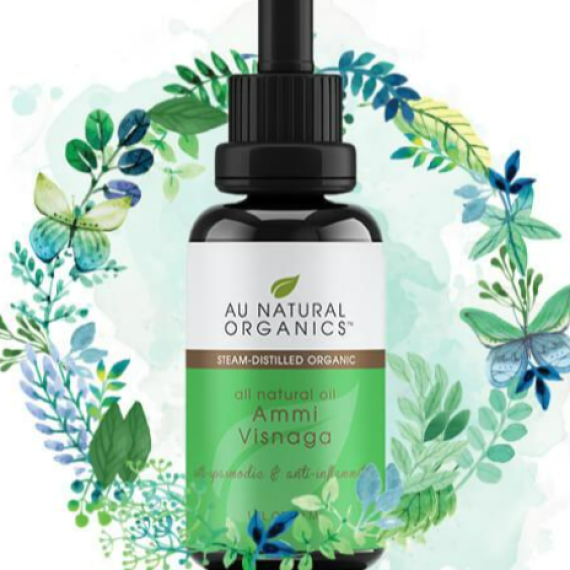



Essential Oils for Product Formulation, Aromatherapy, Skincare and Natural Perfumery
Essential oils are highly potent, naturally occurring aromatic plant extracts composed of terpenes, alcohols, aldehydes, and aromatic esters. They are obtained through steam distillation or cold pressing methods to preserve their molecular integrity, therapeutic properties, and botanical authenticity.
For example, lavender essential oil typically contains approximately 35–45% linalool, contributing to its calming floral profile and therapeutic value. In contrast, lemon essential oil may contain up to 70% limonene, which significantly influences its bright citrus aroma, volatility, and formulation performance.
Essential Oils function as ingredient grade raw materials in skincare, aromatherapy, perfumery, and soap production. Their chemical profile determines performance because compound volatility affects diffusion strength, oxidation rate and heat stability. Oils rich in cineole diffuse quickly in air based systems, while oils rich in heavier sesquiterpenes show longer retention in base notes.
Batch consistency is validated through analytical profiling of compound distribution and retention parameters.
Certificates of Analysis (COA) verify chemical composition, while IFRA documentation defines application-specific safety limits—ensuring regulatory compliance and reproducible formulation performance.
Essential Oils sourced from more than fifteen climatic regions show variation in chemotype due to soil composition, altitude and harvest timing. Stable sourcing reduces unexpected shifts in compound ratios, which helps manufacturers maintain product uniformity and helps craft formulators achieve repeatable aroma performance.
In formulation context, purity, chemotype clarity and verified composition directly influence cold throw in candles, curing stability in soap, and dilution safety in skincare emulsions. Essential Oils remain foundational raw materials where chemical precision determines final product quality.
What Are Essential Oils?
Essential oils are highly potent aromatic plant extracts obtained through steam distillation or cold pressing. They contain natural compounds such as terpenes, linalool, linalyl acetate, and limonene that determine scent strength, evaporation rate, and formulation performance.
For example, lavender oil is rich in linalool and linalyl acetate, while lemon oil contains high levels of limonene. These compound profiles directly affect candle throw, soap stability, diffuser diffusion, and skincare dilution safety.
Because climate and extraction methods influence chemical composition, verified testing and consistent chemotypes are essential for predictable results in fragrance blending and product manufacturing.
Which Essential Oils Are Used for What?
Essential oils function across aromatherapy, skincare, perfumery, diffuser use, soap curing, and body care. Their performance depends on their chemical composition compounds such as linalool, limonene, cineole, and menthol influence aroma strength, cleansing ability, respiratory clarity, and overall note structure. Manufacturers rely on consistent compound ratios to maintain stability in creams, serums, wellness blends, and fragrance formulations.
The table below highlights functional patterns that help identify which essential oils work best for specific applications:
| Use case | Oil Examples | Chemical Basis | Functional Value |
|---|---|---|---|
| Aromatherapy | Lavender, Rosemary, Lemon | Linalool, Cineole, Limonene | Relaxation, Focus, Mood uplift |
| Skincare | Tea Tree, Frankincense, Lemon | Terpinen-4-ol, Boswellic compounds, Limonene | Cleansing, Balancing, Conditioning |
| Diffuser use | Eucalyptus, Peppermint, Rosemary | Cineole, Menthol, Camphor-related compounds | Air clarity, Freshness, Invigoration |
| Perfumery | Rose, Jasmine, Sandalwood | Citronellol, Benzyl acetate, Santalol | Top note lift, Mid note depth, Base note longevity |
| Soap curing | Tea Tree, Lemongrass, Lavender | Terpinen-4-ol, Citral, Linalool | Aroma retention, Curing stability |
Essential Oils with limonene show strong cleansing behavior in skincare and soap applications. Essential Oils with cineole support respiratory clarity in diffusers and wellness blends. Essential Oils with linalool provide calming effects in aromatherapy and stable floral notes in candle making. These patterns help manufacturers and craft creators choose oils that support formula stability and aroma performance.
Essential Oils Use Cases
Aromatherapy Oils
Lavender contains linalool which supports calm environments during aromatherapy sessions. Rosemary contains cineole which supports focus and mental clarity. Lemon contains limonene which supports uplift and freshness. These Essential Oils remain consistent performers because their compound profiles influence emotional responses and aromatic stability.
Skincare Oils
Tea tree contains terpinen-4-ol which supports cleansing in skincare formulations. Frankincense contains boswellic compounds which support skin conditioning. Lemon contains limonene which supports balancing effects in natural cleansers. These Essential Oils maintain stability when blended with carrier oils or emulsions used by manufacturers.
Diffuser Oils
Eucalyptus contains cineole which supports air clarity and respiratory comfort during diffusion. Peppermint contains menthol which supports cooling and fresh room environments. Rosemary contains camphor related compounds which support invigorating diffusion. These Essential Oils vaporize consistently and create a stable aromatic presence in indoor spaces.
Perfumery Oils
Rose contains citronellol which supports floral top note lift. Jasmine contains benzyl acetate which supports sweet mid note depth. Sandalwood contains santalol which supports long lasting base note structure. These Essential Oils remain important to natural perfumery because their compound profiles offer predictable aromatic layers.
Essential Oils Collection at Zennaura
Zennaura presents ingredient-grade essential oils sourced from global regions known for stable botanical identity and reliable aromatic character. Each sourcing region is selected for its ability to deliver consistent aroma profiles and compound composition across batches.
By providing COAs, IFRA’s and all necessary regulatory documentation, Zennaura supports manufacturers in maintaining compliance, verifying purity, and ensuring smooth integration into their product development workflows.
Bulk supply options help growing brands secure uninterrupted production cycles with dependable volume and quality. Our collection includes single-origin essential oils, where climate and soil contribute to naturally distinct aromatic characteristics. We also offer essential oil discovery sets designed for sampling, formulation testing, and evaluation before scaling production.
Popular Essential Oils in Our Collection
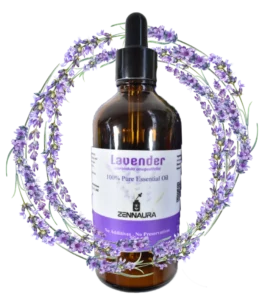
Lavender (Lavandula angustifolia), widely sourced from Bulgaria, is rich in linalool, the compound responsible for its soft floral aroma and calming aromatherapeutic effect.
Its balanced chemical profile makes it ideal for skincare, wellness blends, and soap making. In cold process (CP) soaps, lavender performs reliably with minimal acceleration, while in melt and pour soaps, it delivers clean, stable floral notes with excellent scent retention.
Peppermint also known as Mentha piperita often comes from India and contains menthol which creates herbal and refreshing character. Peppermint supports aromatherapy because menthol promotes clarity. Manufacturers use peppermint in balms and cooling formulations that require consistent mint intensity.
Eucalyptus also known as Eucalyptus globulus comes from India and Australia and contains cineole which provides camphor rich freshness. Eucalyptus supports diffuser use because cineole promotes air clarity. Manufacturers use eucalyptus for wellness products that require consistent respiratory supporting aroma.
Lemon also known as Citrus limon comes from Italy and contains limonene which provides bright citrus intensity. Lemon supports skincare because limonene delivers natural cleansing behavior. Manufacturers use lemon for cleansers and refreshing aromatherapy blends.
Rosemary also known as Rosmarinus officinalis comes from India and Morocco and contains cineole and camphor related compounds which create an herbal and invigorating profile. Rosemary supports aromatherapy because its composition promotes focus. Manufacturers use rosemary in wellness formulations that require consistent herbal depth.
Essential Oil Quality Standards IFRA and GC Testing
Essential oils require defined quality standards to ensure trust, transparency, and batch consistency. IFRA sets safety limits for use in skincare, perfumery, and household products, while advanced analytical testing verifies purity and confirms the expected chemical profile of each oil.
Certificates of Analysis (COA) provide batch-specific composition data for labeling and regulatory compliance. Allergen reports support clean-label requirements, and Safety Data Sheets (SDS) ensure proper handling during production.
For perfume, soap, and cosmetic manufacturers, complete documentation reduces formulation risk by confirming safe usage levels and enabling predictable performance across production batches.
IFRA Compliance Explained
IFRA is an international association that sets safety standards for aromatic materials used in consumer products. IFRA categories assign allowable limits based on exposure levels for perfumes, skincare products and household fragrances. These categories define the safe concentration ranges for Essential Oils in each application. IFRA compliance prevents formulation risks because developers can match usage levels to defined safety thresholds. Compliance ensures that manufacturers create products that meet global safety expectations while maintaining predictable aromatic performance.
Essential Oils Pricing and Buying Options
Essential oils are highly potent, naturally occurring aromatic plant extracts composed of terpenes, alcohols, aldehydes, and aromatic esters. They are obtained through steam distillation or cold pressing methods to preserve their molecular integrity, therapeutic properties, and botanical authenticity.
For example, lavender essential oil typically contains approximately 35–45% linalool, contributing to its calming floral profile and therapeutic value. In contrast, lemon essential oil may contain up to 70% limonene, which significantly influences its bright citrus aroma, volatility, and formulation performance.
How to Choose the Right Essential Oil
Selecting the right essential oil depends on purity, origin, application, and grade. Purity should be verified through advanced analytical testing and a Certificate of Analysis (COA), which confirm the chemical profile and compound ratios.
Origin influences aroma consistency, as soil, climate, and harvest conditions affect composition. Application determines functionality—whether for skincare cleansing, aromatherapy diffusion, soap making, or candle formulation.
Grade options such as organic or single-origin support clean-label positioning. Reviewing the COA helps assess compound balance, expected scent profile, and batch stability reducing formulation risks for both manufacturers and craft creators.
Choosing by Application
Essential Oils must match specific uses because each oil offers a different compound profile. Linalool rich oils such as lavender support relaxation in aromatherapy blends. Menthol rich oils such as peppermint support clarity and freshness in diffusers. Limonene rich oils such as lemon support cleansing behavior in skincare products. Cineole rich oils such as eucalyptus support respiratory clarity in wellness formulations. Matching compounds to the intended application ensures stable performance across product formulas.
Choosing by Price and Grade
Essential Oil pricing depends on extraction yield and grade quality. Rose oil requires about four thousand kilograms of petals to produce one kilogram of finished oil which increases cost. Sandalwood oil shows higher pricing because long maturation periods reduce available supply. Organic grade oils cost more because controlled farming conditions increase production expenses. Single origin oils cost more because they come from specific regions where climate and soil influence compound stability. These cost differences help manufacturers and craft creators choose oils that match their budget and performance needs.
Why Choose Zennaura for Essential Oils
Zennaura supplies essential oils with verified purity, supported by advanced analytical reports, COA documentation, and IFRA compliance data. With stable sourcing across more than 15 regions, Zennaura ensures consistent aroma profiles and reliable batch performance.
Manufacturers trust Zennaura for continuous bulk availability, preventing production delays and ensuring smooth supply chains. Perfumers, cosmetic formulators, and soap makers rely on stable compound ratios for predictable fragrance, texture, and product performance.
Beyond bulk supply, Zennaura supports startups, small businesses, and hobbyists by offering smaller testing quantities—allowing brands to trial, refine, and scale confidently. Transparent documentation helps businesses meet clean-label standards while maintaining consistent quality across new and existing formulations.